


Melissa Swartz Ι July 27, 2022
Vendors have poured much effort into meeting technology products. They have aimed many of these enhancements at creating “meeting parity” where remote and on-site attendees have the same meeting experience. Enhancements include capabilities such as whiteboards accessible by all participants and displays that show remote attendees at the same level, vertically, as those on-site to simulate the entire group gathered around the conference table. Embedded into meeting technology products are artificial intelligence (AI) capabilities to offer real-time translation, identify attendees, and much more.
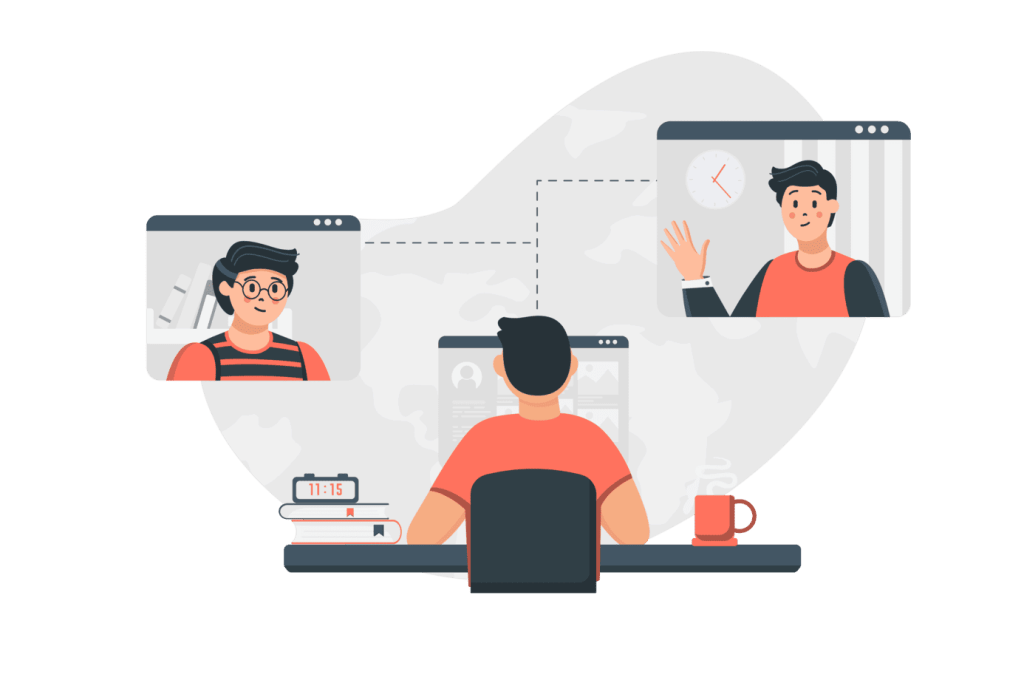
While all of these technology improvements certainly make the meeting experiences better, I believe that the “people” part of managing meetings has a much larger impact on the quality of a meeting. As a remote attendee at meetings long before COVID-19 made us all experts, I have regularly experienced “meeting non-parity” where it was clear that remote participants were (at best) second-class citizens. Practices such as going around the table for comments from on-site staff, and skipping over remote parties, are disappearing as we all experience remote attendance at one time or another.
Well-managed meetings ensure all contributors feel included and that their input matters. Here are some considerations for managing your next meeting.
1. General suggestions for all meetings:
- If you have a choice, always choose the richer medium (1.) face to face, 2.) video, 3.) audio conferencing) to build deeper connections.
- Start on time! Meetings can be 50% less productive when started late. Note that this can be culturally dependent. Frustration begins after five to 10 minutes in the U.S., eight minutes in Italy, and four minutes in China.
- Before a meeting, provide the meeting agenda, background info, and other relevant documents. Then articulate clear expectations for review of the materials sent out in advance.
- Using an agenda effectively is more important than just having one. To be effective:
Publish the agenda in advance so attendees can provide input and status updates.
Stick to the agenda during the meeting.
Strive to get status updates beforehand to use the meeting time for discussion.
Meeting notes:
- Assign a scribe to take notes (not the person leading the meeting)
- Include decisions made and discussions held
- Outline next steps (short term and long term)
- List action items with responsibilities assigned and deadlines
- Publish notes within 24 hours after the meeting (faster is better)
- Summarize decisions, action items, and timelines at the end of the meeting
- Meeting length should take into account people’s physical needs. If long meetings are needed, build in breaks every hour.
2. When meetings are a mix of on-site and remote attendees:
- Make sure audio picks up everyone in the room so remote participants can hear everyone
- When a participant presents a topic, let remote attendees respond first, then go to people in the room
- Include the entire team in decision-making meetings; don’t just “fill in the remote worker” after the fact. Do not make last-minute decisions that leave people out.
- Consider making a rule: If one worker is remote—everyone is remote to the meeting. Have everyone attend by video at their desk, instead of having a combination of some people gathered in a conference room and other people joining from their computer remotely. This policy helps to avoid the following pain points:
If remote meeting members want to raise a point or ask a question, it can be difficult to interrupt gracefully.
Remote attendees may feel left out of the joke when something funny happens in the conference room, and the group gathered laughs about it.
Difficulty hearing people who talk quietly or far from the microphone.
Video delay can create different experiences for those in a conference room and those remote.
3. When everyone in the meeting is remote:
- Make sure to include time at the beginning and end of meetings for people to connect and have casual, personal conversations. This duration will maintain (or create) connections and reduce feelings of isolation.
- Be sure to recognize accomplishments and make them public
- Provide updates on what’s going on with your company overall
- Get input from everyone in the meeting. Call on people by name, or give them an assignment to cover during the meeting. Make sure to call on the person who stays muted the entire time.
- Offer multiple ways to provide input—chat, talking, etc.
- Stop at regular intervals to let others provide input (allow a longer period of silence than you might ordinarily in person)
Meeting management skills are more important than meeting technology in creating inclusive, productive meetings. While new technology is helpful, the person managing the meeting should take the time to consciously ensure that meeting parity is a reality.
Related Articles:
New 911 Regulations: Yes, These Apply to Your Organization
Failure to comply could result in legal liabilities.
Disaster Recovery: Beyond the Technical Issues
How many of us rely entirely on directories in our corporate environment (and certainly on our phones) to know how to reach others? How would you communicate with people if you weren’t able to access ...
3 Tips for Comparing Complex Communications Solutions
With all the new solutions and capabilities available today, an organized approach goes a long way toward helping enterprises make the decision that’s right for them...
EC 2017 Livestream: Melissa Swartz on SIP Trunking and UCaaS
Melissa Swartz provides top tips Navigating SIP Trunking on Enterprise Connect Livestream from the 2017 conference.